What We Offer
We offer a range of support including individual therapy, couples counselling, groups, family support and parenting advice.
Play Therapy
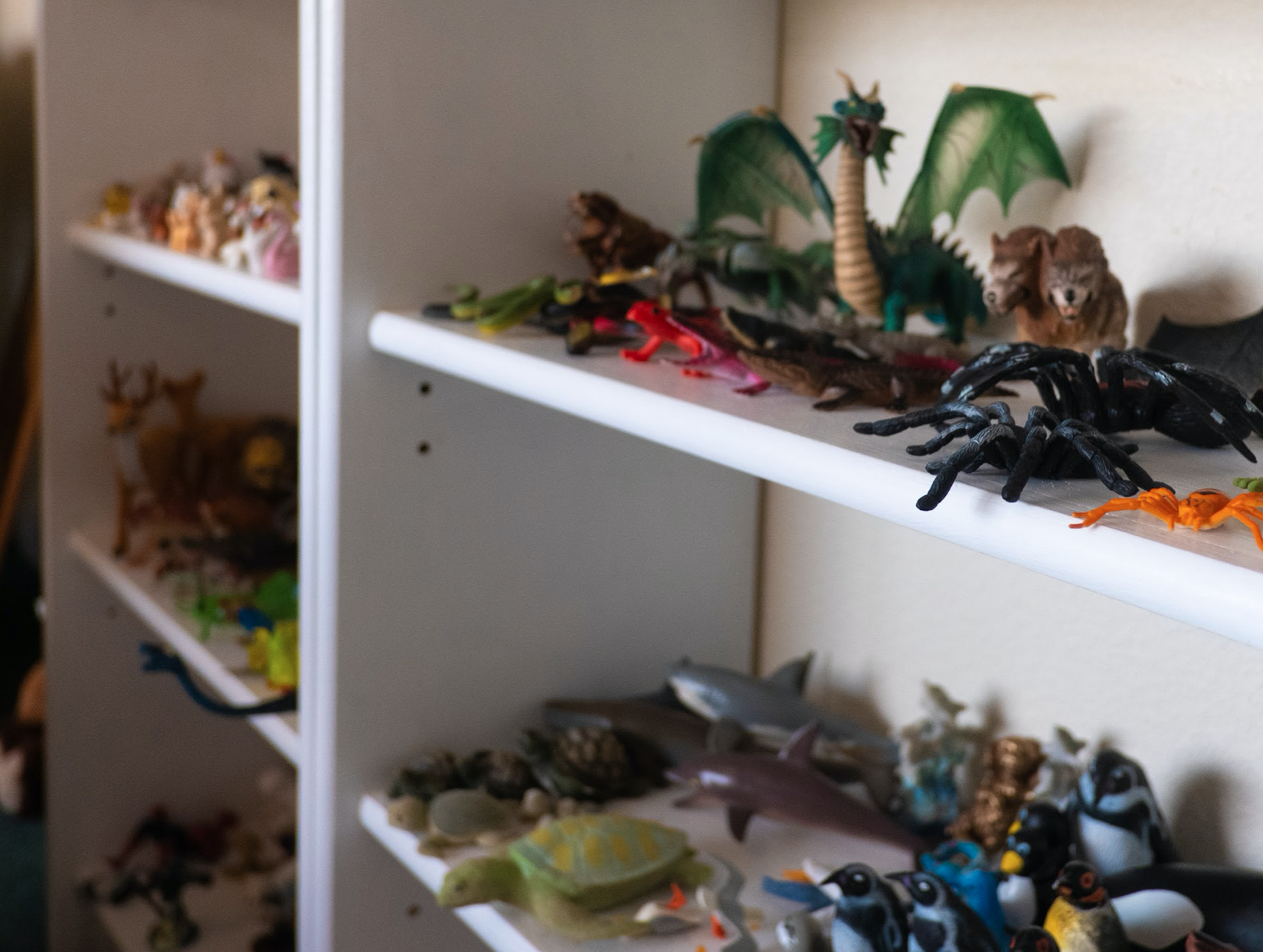
Play therapy is a form of therapy that uses play as a means of communication and expression, especially for children. It recognises that children may not have the verbal skills to articulate their thoughts and feelings as effectively as adults do. Through various play activities, such as drawing, sand, clay, storytelling and games, children can communicate and explore their emotions, thoughts, and experiences in a safe and supportive environment.
In play therapy, the play therapist connects with the child during play sessions, allowing the child to freely express themselves. The play therapist creates a therapeutic space for the child to express and work through challenges, difficult experiences, develop coping mechanisms and gain insights into their behaviour.
This therapeutic approach is not only limited to children; it can also be adapted for adolescents and adults, tailoring the methods to suit the individual's age and developmental stage. Play therapy has been found to be effective in promoting emotional well-being and fostering positive behavioural changes in individuals of all ages.
Music Therapy
Music Therapy is a form of therapy that uses music and its various elements to address physical, emotional, cognitive, and social needs of individuals. Music Therapists in the UK are Health Care Professional Council members and use music interventions to promote wellbeing to achieve therapeutic goals.
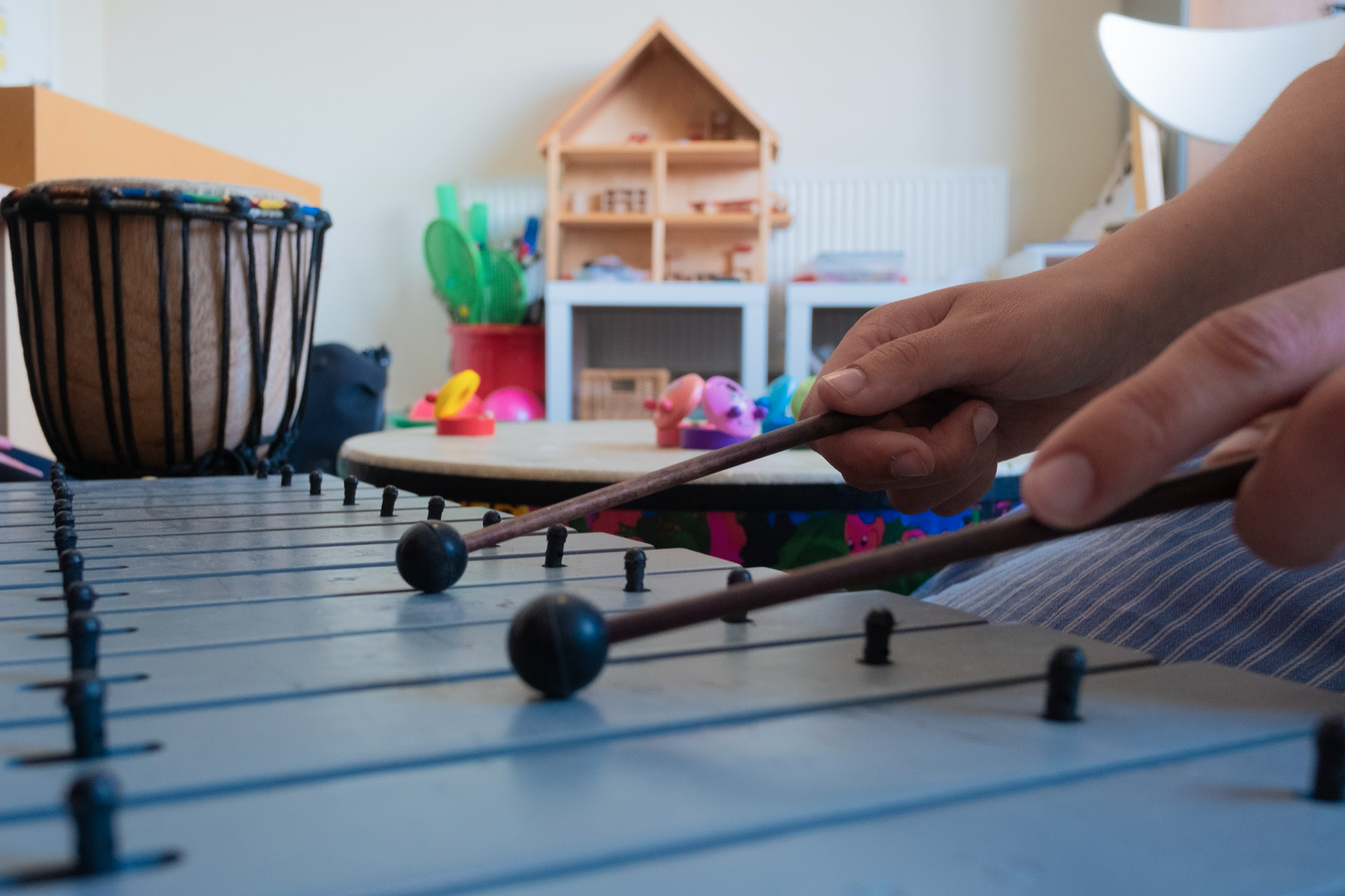
Music Therapy can take various forms, including listening to music, creating music, playing instruments, talking, song writing and engaging in music-based activities. It is a holistic approach that considers the individual's preferences, abilities and therapeutic goals. Music Therapy can support all ages and the goals will vary depending on the needs of the individual.
Music can be a medium for individuals to express and explore their emotions in a non-verbal way, when the words can be difficult. Music Therapy also supports improvement in cognitive skills such as memory, attention and problem solving. Listening to or creating music can have a calming effect, reducing stress and anxiety.
Art Therapy
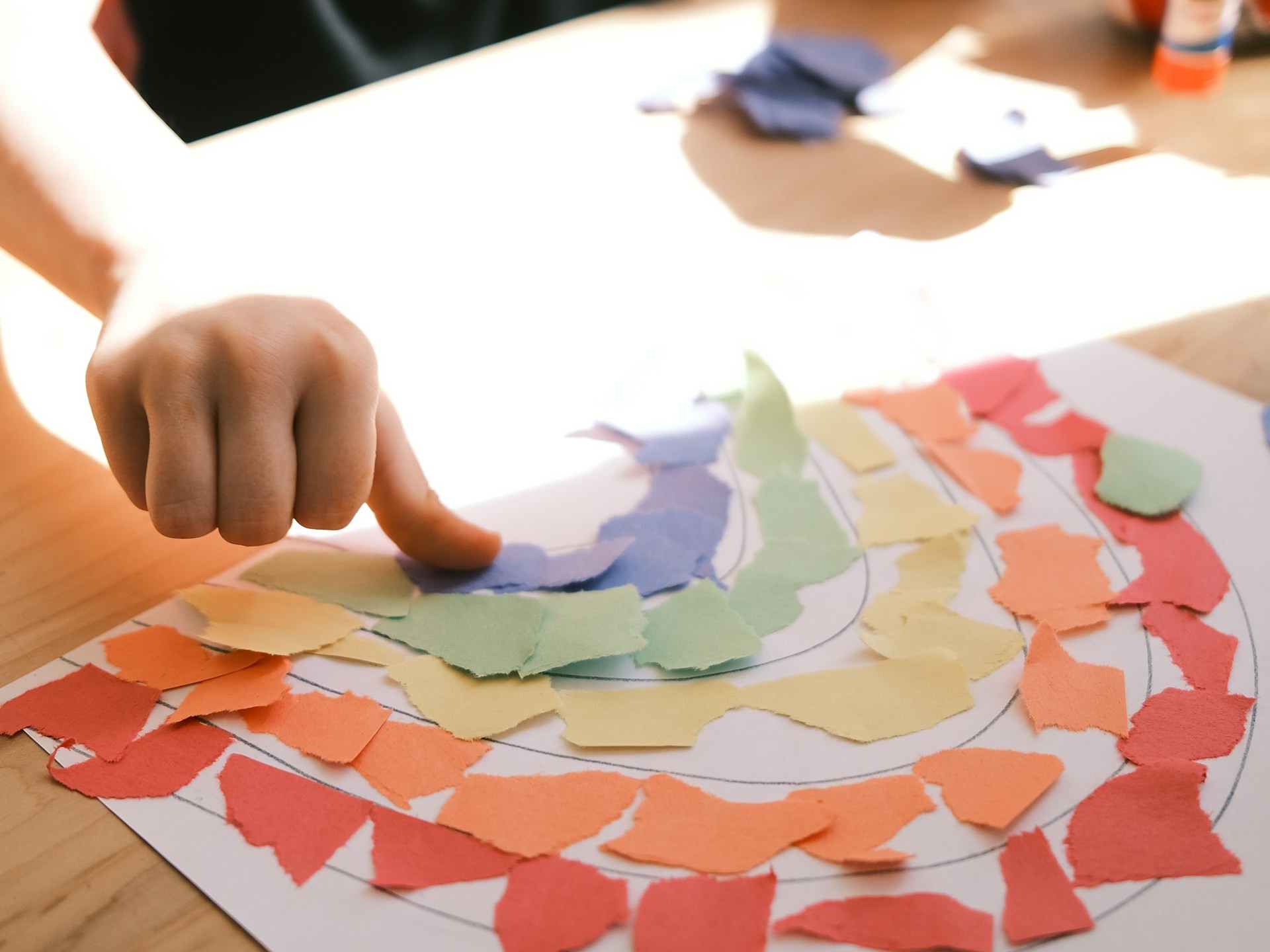
Art Therapy is a form of psychotherapy that uses the creative process of making art to support emotional wellbeing, personal growth, and mental health. Guided by a trained therapist, clients use a range of materials to explore feelings that can be difficult to express in words alone. No artistic skill or experience is needed — the focus is always on the process, not the end result.
Sessions take place in a safe, confidential space where the therapist helps you reflect on what emerges through your creative work. The artwork acts as a bridge between inner experience and conscious understanding, allowing insights to surface gently and at your own pace. This makes Art Therapy particularly valuable for those who find traditional talking therapies challenging, including people who have experienced trauma, anxiety, depression, or loss.
Art Therapy is suitable for children, young people, and adults. It is used to support a wide range of emotional and psychological difficulties, as well as life transitions, stress, and low self-esteem.
Counselling
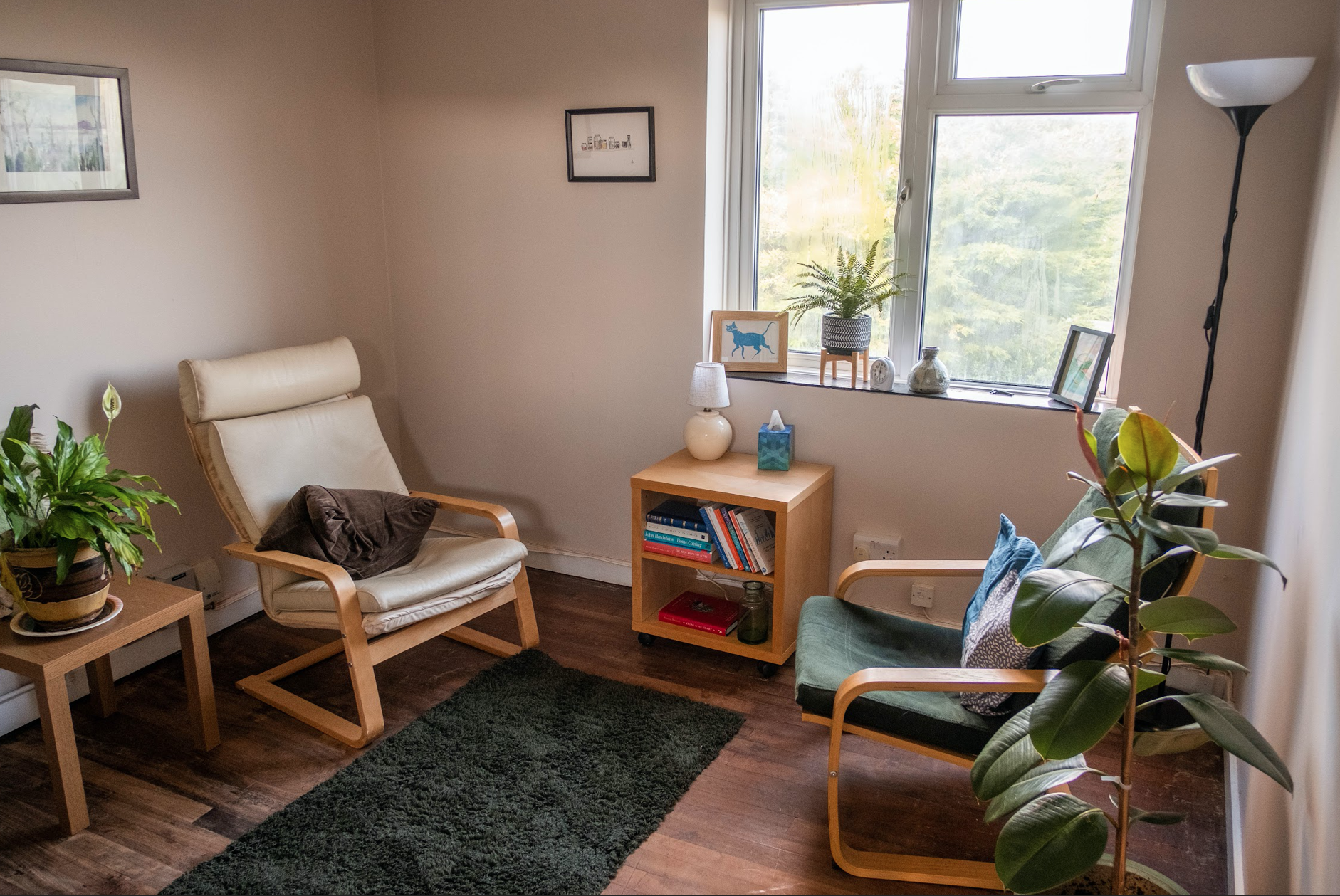
Counselling and Psychotherapy is a process in which a trained professional, often called a counsellor or therapist, provides support and expertise to help individuals navigate through personal challenges, mental health issues, emotional difficulties or life transitions. It involves a confidential and collaborative relationship focused on exploring feelings, thoughts, behaviours and finding strategies to cope, heal and make positive changes.
Counselling and Psychotherapy are based on the belief that through building a therapeutic relationship individuals can grow and change. Counsellors and Psychotherapists work in a non-judgemental way to enable individuals to develop a greater awareness of themselves.
Through developing a greater understanding and acceptance of the self in a safe space without judgment individuals can make changes to help them manage life's difficulties. This exploration enables people to understand complex emotional issues, trauma, relationships, self-esteem and deeper aspects of the human mind.
Eye Movement Desensitization and Reprocessing (EMDR) is a highly effective, research-supported therapy designed to help individuals recover from difficult past experiences. It addresses "stuck" memories, emotions, or beliefs that manifest as anxiety, trauma responses, low self-esteem, or emotional overwhelm. EMDR works by helping the brain reprocess these experiences so they can be integrated in a healthier, more adaptive way.
Unlike traditional talk therapy, EMDR does not require you to relive a painful memory in detail. Instead, the therapist guides you through a structured process using bilateral stimulation (such as eye movements or tapping). This helps the brain shift how the memory is stored, allowing the emotional charge to soften and new, adaptive perspectives to emerge.
While widely recognised for treating trauma and PTSD, EMDR is also effective for concerns like anxiety, phobias, grief, and limiting beliefs. It is a collaborative and grounded approach where safety is prioritised and you remain in control. EMDR offers an efficient path for lasting emotional change, helping you reclaim your sense of self with greater ease and resilience.
Not sure what's for you?
Not sure what suits you best — get in contact with us and we can arrange a phone call to talk through the options.
Get In Touch